DHA
Licensed day surgery centre
Gastroenterology
Assessment of stomach, bowel and digestive symptoms in Deira, with selected endoscopy and colonoscopy procedures planned as day cases, with sedation and monitored recovery in the same facility.
 DHA licensed
Digestive symptoms are common and often settle with simple changes, but some need a closer look. It is worth seeing a specialist if you have heartburn or indigestion most days, difficulty swallowing, abdominal pain or bloating that keeps returning, a change in bowel habit lasting more than a few weeks, or blood in your stool. You may also have been advised to have a colonoscopy because of your age or family history.
Your specialist will ask about your symptoms, diet, weight, medicines and family history, and review any blood tests or scans. If an endoscopy or colonoscopy is recommended, they will explain why, how to prepare, the possible risks and what recovery involves, so you can decide with all the facts.
Message or call our care team. They can help you choose between Gastroenterology and related departments, check availability and explain what to bring.
At Caremonde
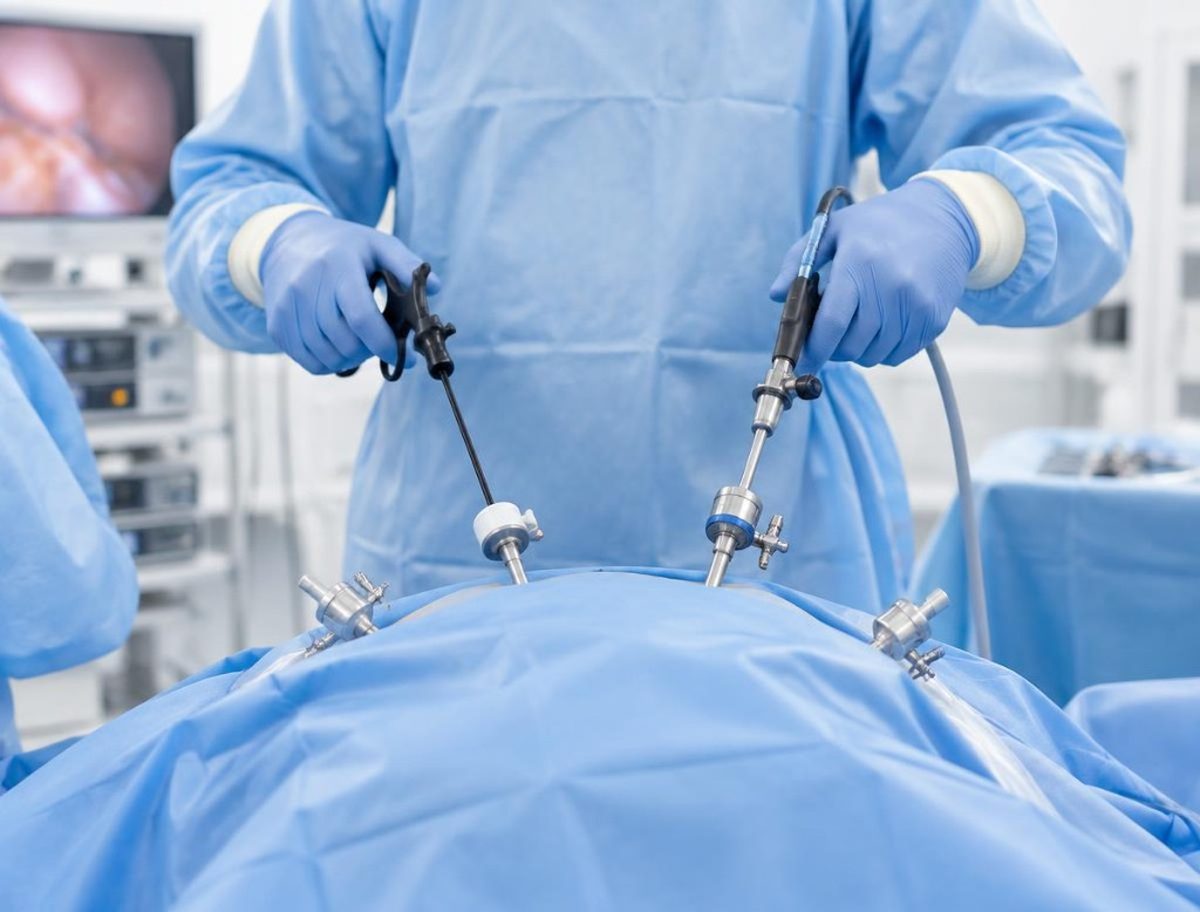
At Caremonde, digestive consultations and endoscopic procedures happen in the same day-surgery facility. Our anaesthesia team provides sedation where appropriate, and nurses monitor your recovery before you go home with written aftercare advice.
After your procedure, your specialist explains what was seen and whether any samples (biopsies) were taken, and arranges follow-up to discuss the results and the plan from there.
Endoscopy and colonoscopy as day cases.
Planned with our anaesthesia team.
Nurses observe you before you go home.
Findings and next steps reviewed with you.
What we assess and treat
The areas our Gastroenterology team can assess and treat. Your clinician confirms what is suitable for you after an assessment.
Assessment of heartburn, acid reflux and upper abdominal discomfort, including whether lifestyle changes, medication or an endoscopy is the right next step.
Investigation of recurring pain, bloating or wind, considering diet, bowel habit and other possible causes, with tests chosen to answer specific questions.
Assessment of diarrhoea, constipation or alternating symptoms that last more than a few weeks, and of rectal bleeding.
A flexible scope passed through the mouth to examine the oesophagus, stomach and duodenum, when your specialist recommends it, usually with sedation.
An examination of the colon with a flexible scope, used to investigate bowel symptoms or for screening when appropriate, after a bowel preparation the day before.
Suitability for any Gastroenterology treatment is confirmed after your assessment.
How your consultation works
Including how long they have lasted, what affects them, your weight, diet and family history.
Your specialist explains whether a procedure is needed and why, and whether blood or stool tests should come first.
You receive written instructions on diet, bowel preparation, fasting and which medicines to pause, and who should take you home.
You recover under monitoring, then your specialist explains the findings and arranges follow-up for any biopsy results.
How you prepare for endoscopy or colonoscopy varies between patients. Use the written instructions from your own team, tell them about blood thinners and diabetes medicines, and arrange an adult to take you home if you have sedation.
Why Caremonde
No need to move between providers for your test.
Planned with our anaesthesia and nursing team.
Instructions you can follow at home.
Our team confirms consultation fees, insurance acceptance and any approvals before you attend.
Reach the care team by WhatsApp or phone for appointment questions. In an emergency, call 998.
Hamarain Center, Deira, with easy access from across Dubai.
Related specialities
Answers to common questions about Gastroenterology at Caremonde. Questions about fees, insurance or booking are answered on our Insurance and Patient information pages.
Insurance Patient informationYour team will give you written instructions, usually including a change in diet and a bowel preparation the day before. Follow them closely and ask about any medicines you take.
Sedation is often offered and is discussed with you beforehand. If you have sedation, you will need an adult to take you home and should not drive for the rest of the day.
Blood in your stool, unexplained weight loss, difficulty swallowing or persistent vomiting should be assessed promptly. Severe pain or heavy bleeding needs urgent care.
The procedure itself is usually short, but allow time for preparation and recovery. Your team will tell you how long to plan to be at the clinic.
Your specialist can usually tell you what was seen on the day. If samples are taken, those results take longer and are discussed at a follow-up appointment.
Some medicines, such as blood thinners, iron tablets and diabetes medicines, may need to be adjusted. Do not stop anything without advice; your team will give you specific instructions.